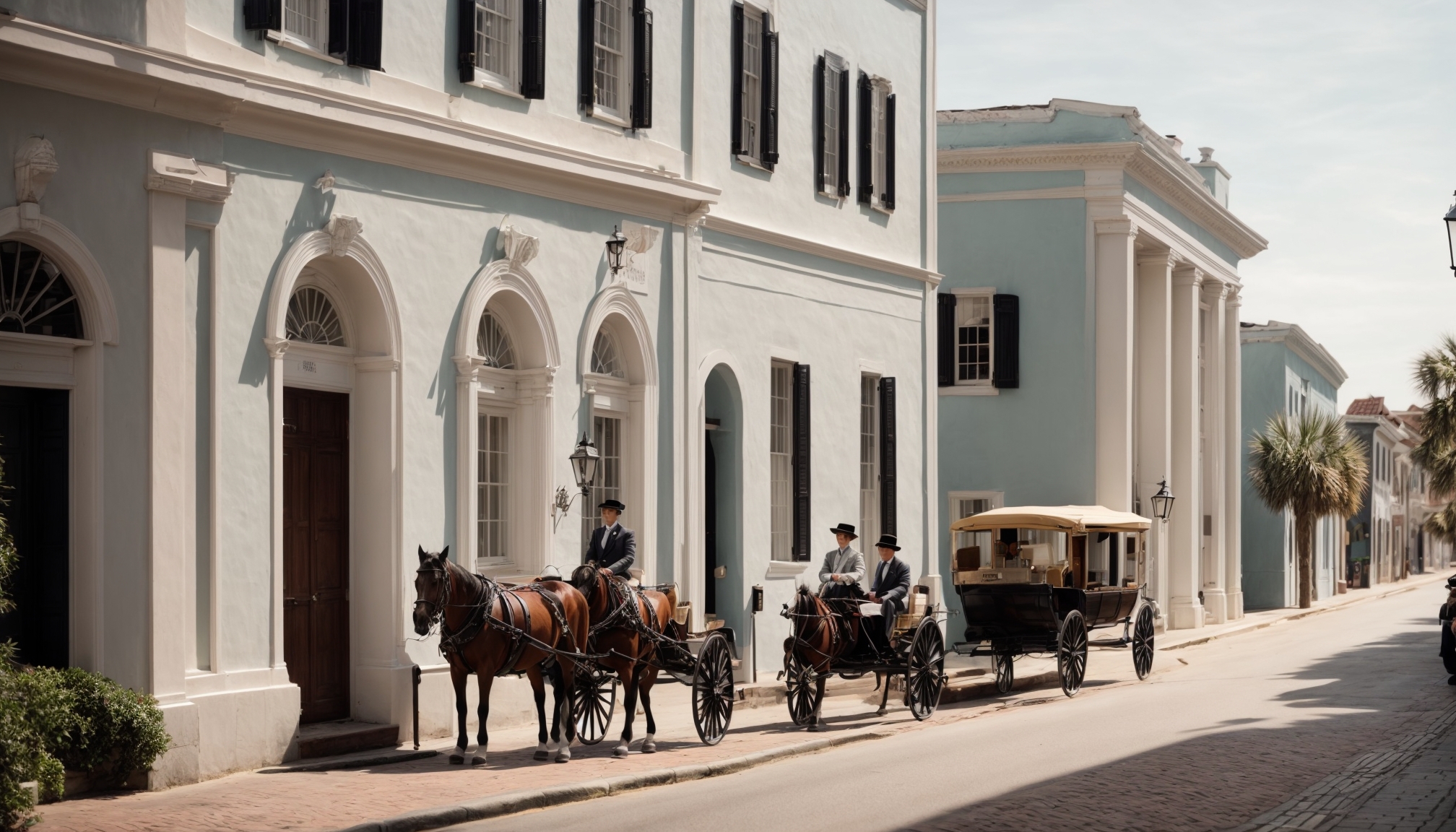
Charleston Market Report, Charleston – The economic impact heritage tourism generates in Charleston continues to grow as visitors flock to the city’s preserved historic districts, museums, and cultural landmarks that anchor the local economy.
Charleston has long relied on its historic architecture, cobblestone streets, and centuries-old stories to attract visitors. The economic impact heritage tourism delivers shows up clearly in local revenue streams, from hotel stays and guided tours to restaurants and retail. Visitors come for the city’s heritage assets, then spend widely across sectors, supporting thousands of jobs and businesses.
Economic analysts often highlight how visitor spending flows through Charleston’s economy. Travelers who explore plantations, historic homes, and waterfront sites pay entrance fees, hire local guides, and book transportation. This circulation of money creates direct, indirect, and induced effects that magnify the initial spending and strengthen the broader regional economy.
Several factors shape the economic impact heritage tourism in Charleston. First, the city’s well-preserved built environment offers a dense concentration of historic sites in a walkable area, encouraging extended stays. Second, a robust calendar of festivals, reenactments, and cultural events tied to local history motivates repeat visits and off-season travel.
Heritage tourists typically spend more per trip than average leisure travelers. They often book boutique accommodations in historic buildings, dine at locally owned restaurants, and prioritize curated experiences led by trained interpreters. As a result, the economic impact heritage tourism brings goes beyond simple visitor counts and depends heavily on the quality and authenticity of experiences.
The tourism sector supports a large share of Charleston’s employment, with heritage-focused activities at its core. Tour guides, museum staff, preservation specialists, and event organizers all rely on steady visitor interest. In addition, the economic impact heritage tourism creates extends to hospitality workers, transportation providers, artisans, and creative professionals.
Local governments benefit significantly from tourism-related taxes on lodging, dining, and retail. These revenues help fund public services, maintain infrastructure, and support ongoing preservation work. Because heritage tourists gravitate toward historic neighborhoods, city planners must balance protecting these areas with leveraging their economic potential.
Read More: Heritage tourism and its economic effects on local communities
While the economic impact heritage tourism brings is substantial, it also raises complex questions for Charleston. Increased visitor numbers can strain historic neighborhoods, drive up property values, and risk turning living communities into backdrops for short-term experiences. Residents may experience crowding, traffic, and higher costs of living.
City leaders and preservation organizations therefore emphasize responsible tourism strategies. These include visitor caps at sensitive sites, investment in public transit, and educational programs that highlight the city’s full and sometimes difficult history. When implemented well, these measures allow the economic impact heritage tourism generates to support preservation instead of undermining it.
Charleston’s history includes stories of trade, migration, and culture, but also of enslavement and systemic inequality. The economic impact heritage tourism creates depends increasingly on how well the city presents this complexity. Inclusive interpretation can attract visitors who value authenticity and ethical engagement with the past.
Community-based initiatives give residents a direct role in shaping tourism products. Local historians, artists, and entrepreneurs develop tours, exhibits, and experiences that reflect diverse perspectives. As a result, the economic impact heritage tourism produces can support neighborhood businesses, cultural institutions, and educational programs instead of flowing only to large operators.
Looking ahead, Charleston faces the challenge of sustaining the economic impact heritage tourism while protecting its character and quality of life. Investments in conservation, climate resilience, and infrastructure will be crucial, especially as rising sea levels and stronger storms threaten historic districts.
Data-driven planning, transparent community engagement, and clear preservation guidelines can help maintain balance. If stakeholders continue to coordinate, the economic impact heritage tourism offers will remain a vital engine for Charleston’s economy, supporting local livelihoods while honoring the city’s layered and complex history.
This website uses cookies.
