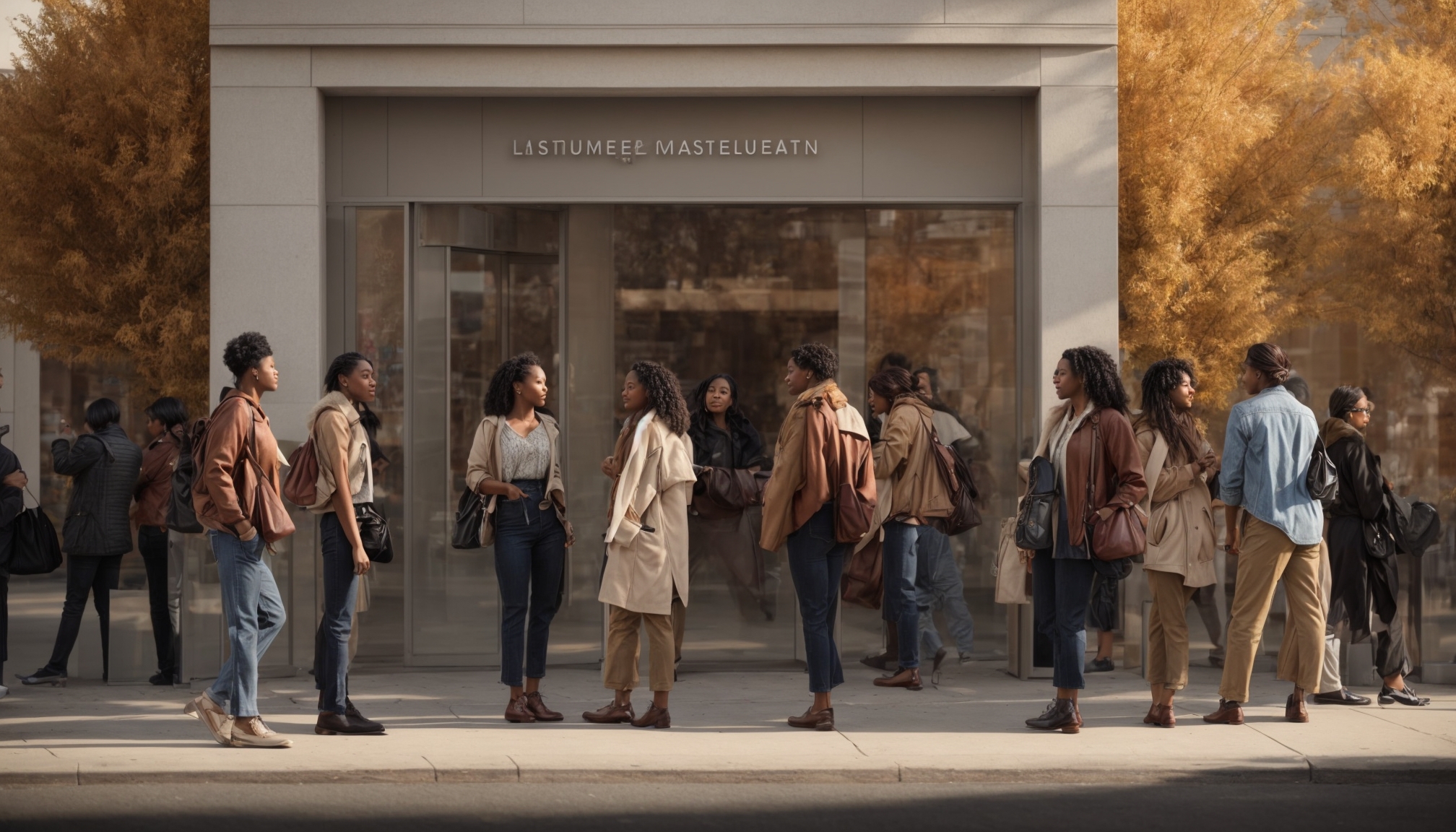
Charleston Market Report – Urban planners increasingly point to the museum effect neighborhood revitalization as a decisive factor in transforming struggling districts into vibrant cultural hubs.
Museums no longer function only as quiet repositories of artifacts. They now operate as active cultural anchors. Their presence attracts visitors, new businesses, and long-term investment. This is the core of the museum effect neighborhood revitalization in many cities.
When a major cultural institution opens, it immediately changes the perception of its surroundings. Investors see lower risk. Residents sense new opportunity. Visitors discover streets they never walked before. As a result, the museum effect neighborhood revitalization can reshape both the image and the economy of an area.
However, the impact depends on planning. Without inclusive policies, benefits can concentrate in a few hands. On the other hand, with clear community agreements, museums can support local entrepreneurs, artists, and residents.
The museum effect neighborhood revitalization usually unfolds through several predictable mechanisms. First, visibility increases. A museum brings media coverage, tourist maps, and online search traffic. This new attention often leads to higher footfall on nearby streets.
Second, supporting businesses appear. Cafés, bookshops, galleries, and boutique hotels tend to cluster near cultural landmarks. In addition, creative workers look for studios and co-working spaces within walking distance of the museum.
Third, public authorities respond. They often upgrade sidewalks, lighting, transit stops, and public spaces around the museum. As a result, both visitors and residents experience a safer and more pleasant environment.
Therefore, the museum effect neighborhood revitalization rests on a chain reaction: cultural investment triggers private interest, which then pushes governments to improve infrastructure.
Beyond economics, the museum effect neighborhood revitalization carries a strong cultural dimension. Museums can validate the stories of long-time residents. Exhibitions about local history, migration, labor, or music traditions reinforce a sense of belonging.
When people see their own history on the walls, they feel that their lives matter in the official narrative. After that, participation grows. Community members attend public programs, volunteer, or collaborate on exhibitions.
Meanwhile, visitors encounter a deeper version of the neighborhood. They do not just consume food and nightlife. Instead, they engage with the area’s memory, conflicts, and aspirations. This narrative power makes museums essential partners in building shared urban identity.
The museum effect neighborhood revitalization has undeniable economic benefits. Increased visitors translate into higher sales for local businesses. Hotels and short-term rentals see more bookings. Cultural tourism often stretches beyond the museum itself, especially when events and festivals spread through nearby streets.
However, these gains come with risks. Rising land values and rents can displace small shops and low-income tenants. Property owners may convert apartments into luxury units. In addition, speculative investment can alter the social fabric within a few years.
Because of this, cities must balance growth with protection. Inclusionary zoning, rent stabilization, and commercial rent controls can help. Community land trusts and cooperative ownership models offer alternative paths. When used wisely, these tools allow the museum effect neighborhood revitalization to support both existing and new residents.
Read More: How cultural districts transform cities through arts, tourism, and inclusive development
Case studies from different regions illustrate the museum effect neighborhood revitalization. In some cities, a single iconic building triggered a wave of hotels, restaurants, and creative businesses. In others, smaller community museums created gradual but steady improvements.
Nevertheless, not every project succeeds. Some districts added museums without improving transit access or public safety. Visitors then arrived only by car and left quickly, limiting local spending. Other projects failed to include residents in planning, causing protests and long-term distrust.
These mixed outcomes highlight a key principle: cultural infrastructure works best when linked to broader urban strategies, not as isolated prestige projects.
To harness the museum effect neighborhood revitalization without deepening inequality, collaboration is crucial. Museums can sign community benefit agreements that commit them to hiring locally, offering affordable programs, and supporting neighbor-led initiatives.
In addition, advisory boards that include residents, youth, small business owners, and artists can shape programming and outreach. Such structures prevent decisions from flowing only from top executives or external consultants.
Museums can also offer space at reduced cost for community events and micro-exhibitions. Even modest steps like multilingual signage and accessible ticket pricing deepen trust. Because of this, the museum effect neighborhood revitalization becomes a shared project, not an imposed makeover.
The most successful cases of museum effect neighborhood revitalization emerge when cities plan for long-term cultural ecosystems, not just flagship buildings. That means supporting smaller galleries, rehearsal rooms, archives, and maker spaces that orbit around the main museum.
On the other hand, overreliance on a single institution creates fragility. Economic shocks, leadership changes, or funding cuts can quickly reduce activity. A diverse network of cultural spaces spreads risk and encourages constant experimentation.
Furthermore, integrating schools and universities into the cultural district reinforces education and research. Student projects, internships, and public lectures inject new energy into the area. Over time, this ecosystem can nurture a generation that understands both heritage and innovation.
Urban leaders and communities increasingly view the museum effect neighborhood revitalization as a strategic tool, not a lucky accident. With clear rules on equity, transparent planning, and active collaboration, museums can anchor neighborhoods that are lively, affordable, and culturally rich.
Embedding safeguards against displacement, promoting local storytelling, and reinvesting tourism revenue into public services keep benefits circulating close to home. When these elements align, the museum effect neighborhood revitalization becomes a model for fair, resilient, and inclusive urban growth.
This website uses cookies.
