Charleston Market Report – Local manufacturing trends driving economic stability have become pivotal for sustaining growth and ensuring resilience in today’s global landscape. These trends highlight how innovation, supply chain adaptations, and workforce development reinforce economic fortitude across regions.
The surge in local manufacturing trends driving economic stability stems from industries prioritizing regional production to mitigate global uncertainties. Manufacturers are increasingly investing in automation, advanced materials, and sustainable practices to boost efficiency. As a result, businesses become less vulnerable to international disruptions, securing steady output and local employment.
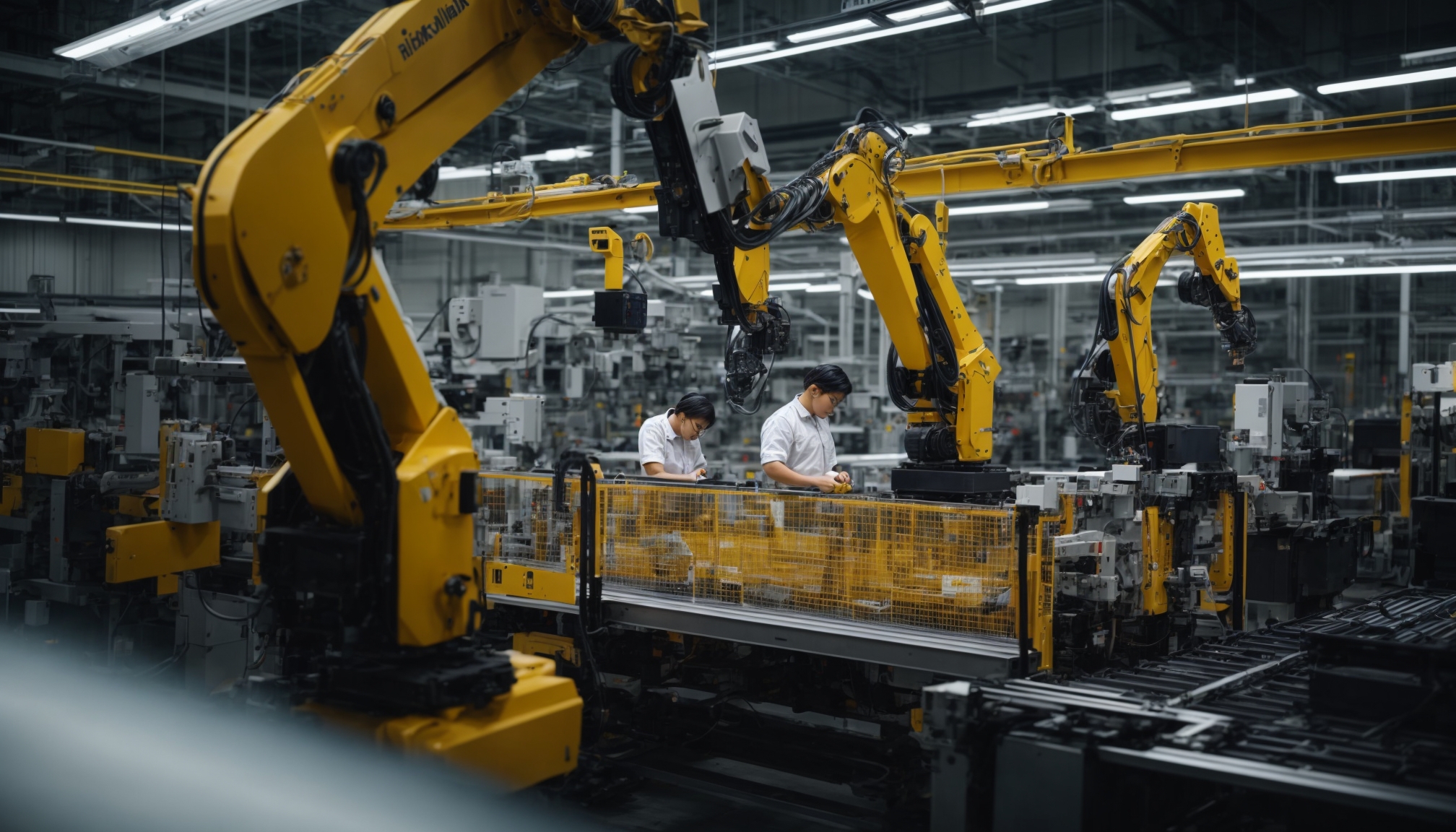
Technological adoption remains critical among local manufacturing trends driving forward economic stability. Robotics, artificial intelligence, and Internet of Things (IoT) devices enhance production precision and reduce downtime. Such innovations empower manufacturers to meet rising demand while optimizing costs. Consequently, these advances foster robust business environments and competitive local economies.
Adapting supply chains plays a defining role in local manufacturing trends driving economic stability. Companies shift towards sourcing raw materials closer to production sites and developing multi-source strategies. This approach mitigates risks from global logistics delays and price volatility. By prioritizing local suppliers, industries enhance supply chain transparency and promote eco-friendly practices.
Baca Juga: Localized Manufacturing and Regional Economic Growth
Workforce training initiatives align with local manufacturing trends driving economic stability by equipping employees with skills to operate advanced machinery and digital tools. Investment in education and apprenticeships directly impacts productivity and innovation. Such focus ensures industries adapt quickly to evolving market demands and technological shifts.
Looking ahead, local manufacturing trends driving economic stability will increasingly intertwine with sustainability goals and digital transformation efforts. Governments and private sectors are expected to collaborate closely to strengthen infrastructure and incentivize clean production. These combined forces will sustain economic health while fostering innovation and job creation in local communities.
In conclusion, the influence of local manufacturing trends driving economic stability cannot be overstated. By focusing on technology, resilient supply chains, and workforce empowerment, regions can secure lasting growth despite external pressures. These trends represent a strategic path forward for economic security and prosperity in the years to come.
This website uses cookies.
